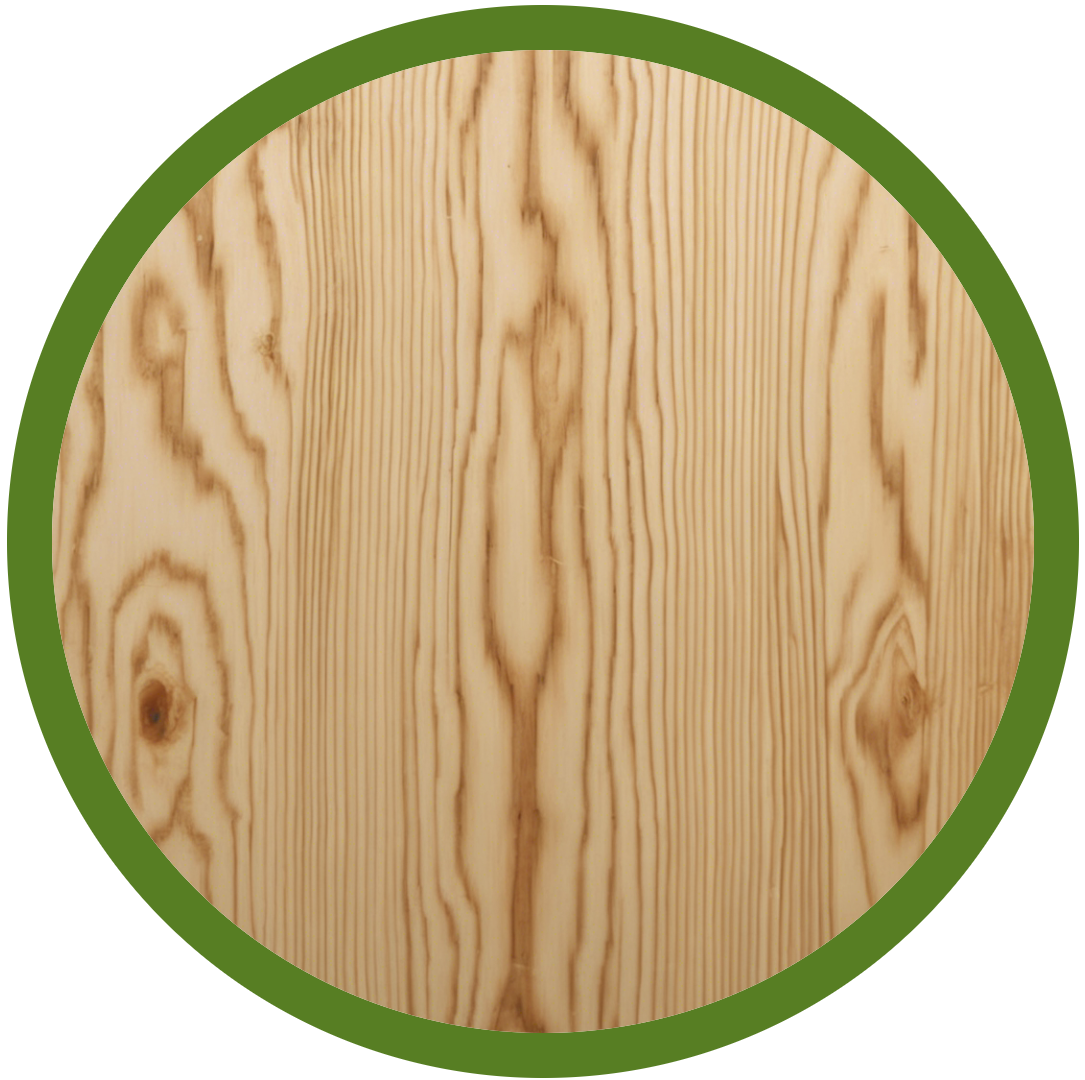
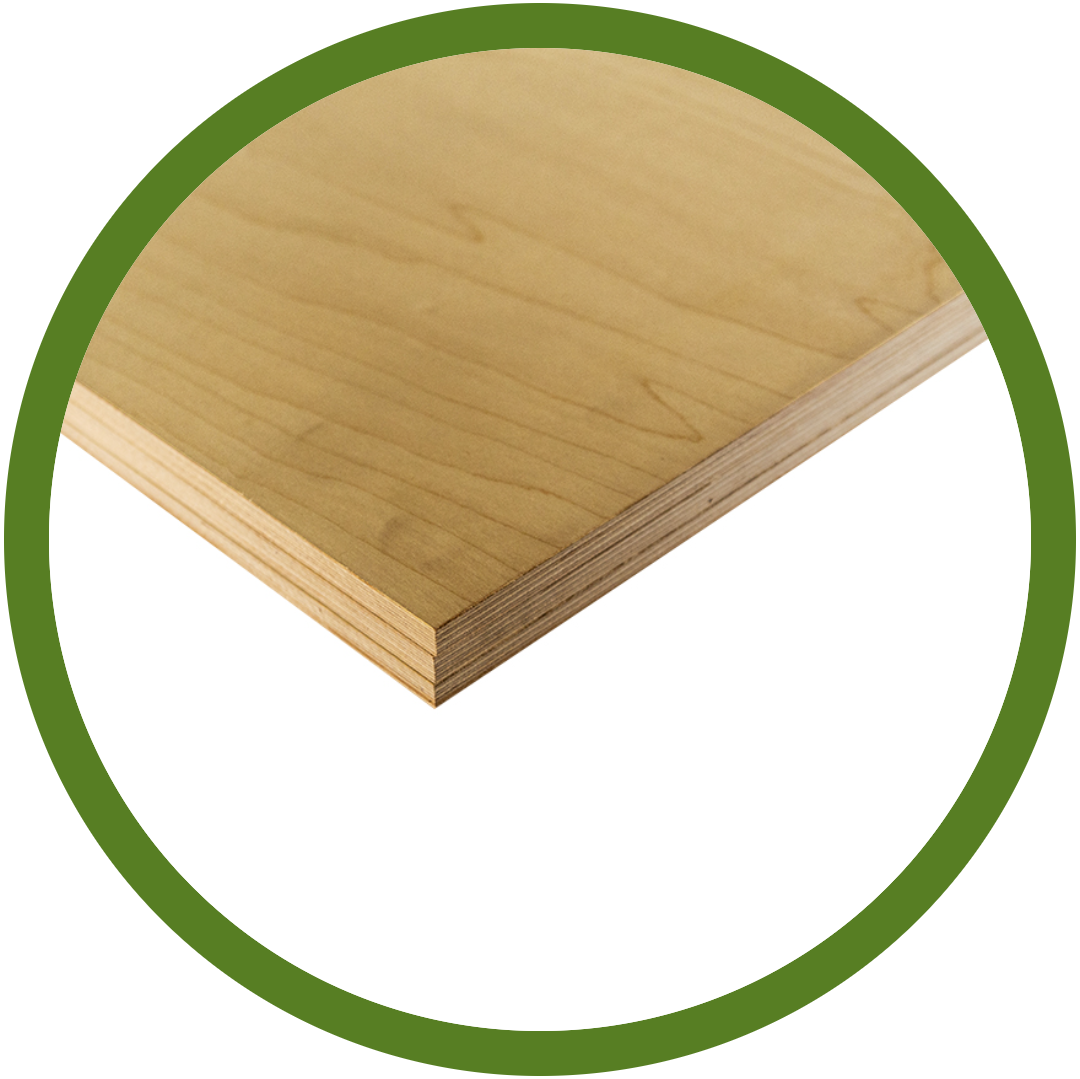
Plywood
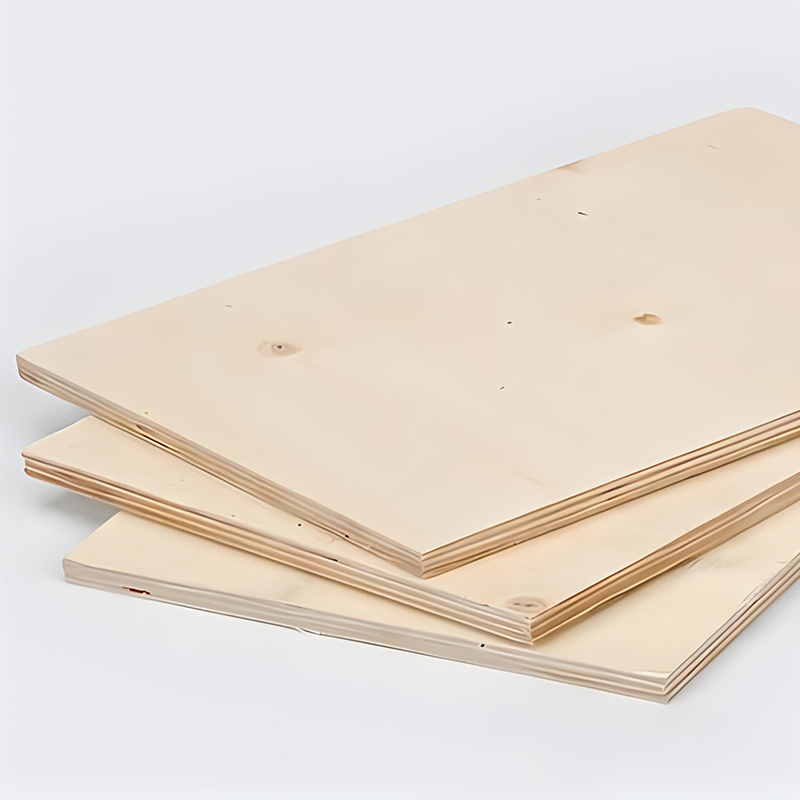
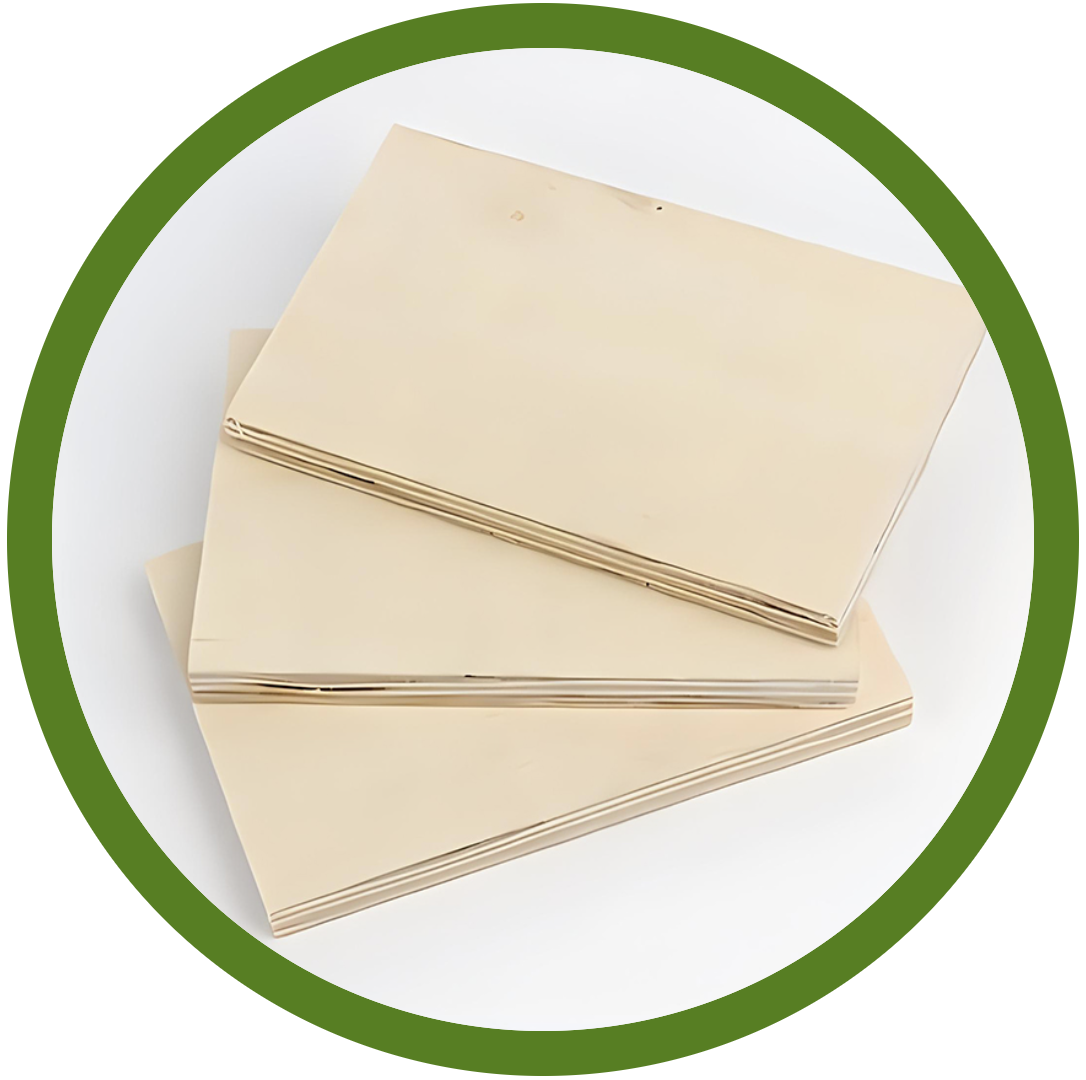
Plywood is made of wood rotary cut into veneer, and then glued with adhesive into three or more layers of plate material, usually with an odd number of layers of veneer, and so that adjacent layers of veneer fiber direction perpendicular to each other glued together and become.
The number of layers is generally odd, and a few are even. Longitudinal and transverse direction of the physical and mechanical properties of the small differences. Commonly used types of plywood are three-plywood, five-plywood and so on. Plywood can improve the utilization of wood, is a major way to save wood.
Showing all 5 results
3 Ply Yellow Concrete Formwork Panel
- High-strength 3-ply structure delivers stable support and minimizes deformation for consistently smooth concrete finishes.
- Water-resistant yellow coated surface stands up to harsh jobsite conditions and allows multiple reuses to lower overall formwork cost.
- Lightweight yet durable panel design makes handling, installation, and stripping faster, helping improve site productivity.
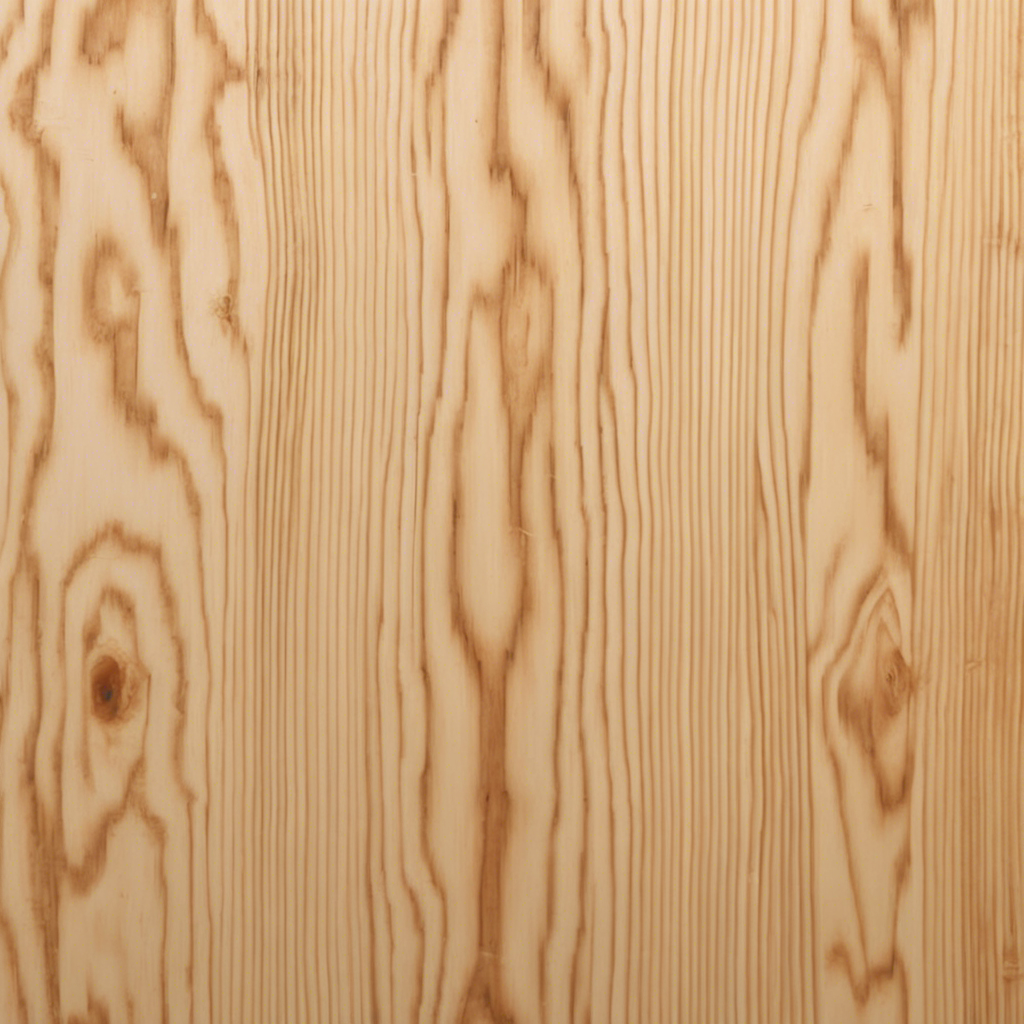
3-45mm Thickness Premium Pine Plwood
- It has good physical properties, including excellent strength, toughness, stability, etc.;
- The color is natural and the wood grain is clear. It can be made into boards of various colors and patterns, which is very beautiful;
- It has strong moisture-proof and anti-corrosion capabilities, and is not easy to deform, crack or rot after long-term use;
- It is light, easy to process, easy to cut and easy to decorate, and is widely used in construction, furniture, vehicle and ship manufacturing, packaging and other fields.
Baltic 4×8 Birch Plywood Commercial Plywood
- High strength: Birch plywood has high strength and can withstand large loads and impacts.
- Moisture-proof: Birch plywood has good moisture-proof properties and is not prone to moisture and mildew.
- Crack resistance and earthquake resistance: Birch plywood has a stable structure, is not easy to crack, and has strong earthquake resistance.
- Smooth surface: Birch plywood has a smooth surface and is not easily damaged, making it suitable for various coatings and decorations.
- Durable: Birch plywood is sturdy and has a long service life
Efficiency Poplar Plywood Supply
- New home favorite: Poplar plywood is a common material for furniture that is not only beautiful and practical, but also affordable. Its advantages are that it has a solid texture and is not easily deformed, cracked, discolored, rotted, or moth-eaten.
- Ingenuity:The charm of poplar plywood lies in the combination of veneers, with staggered wood grain directions and symmetrical surface and inner panels.
- An example of saving wood: Poplar plywood is a great example of wood efficiency. Odd or even number of layers, with balanced vertical and horizontal physical properties, each type of plywood respects and cherishes natural resources.
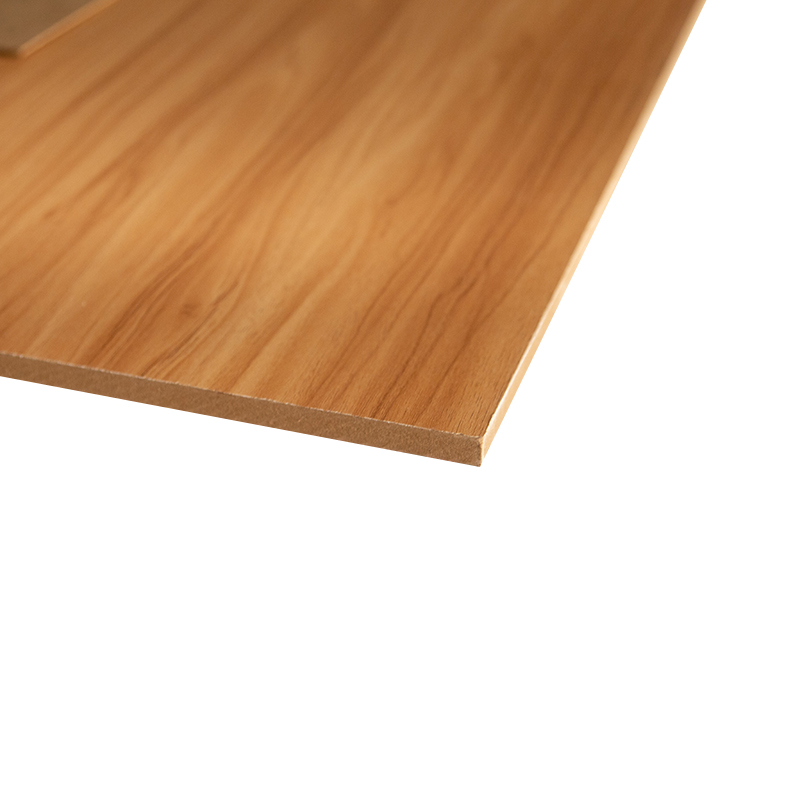
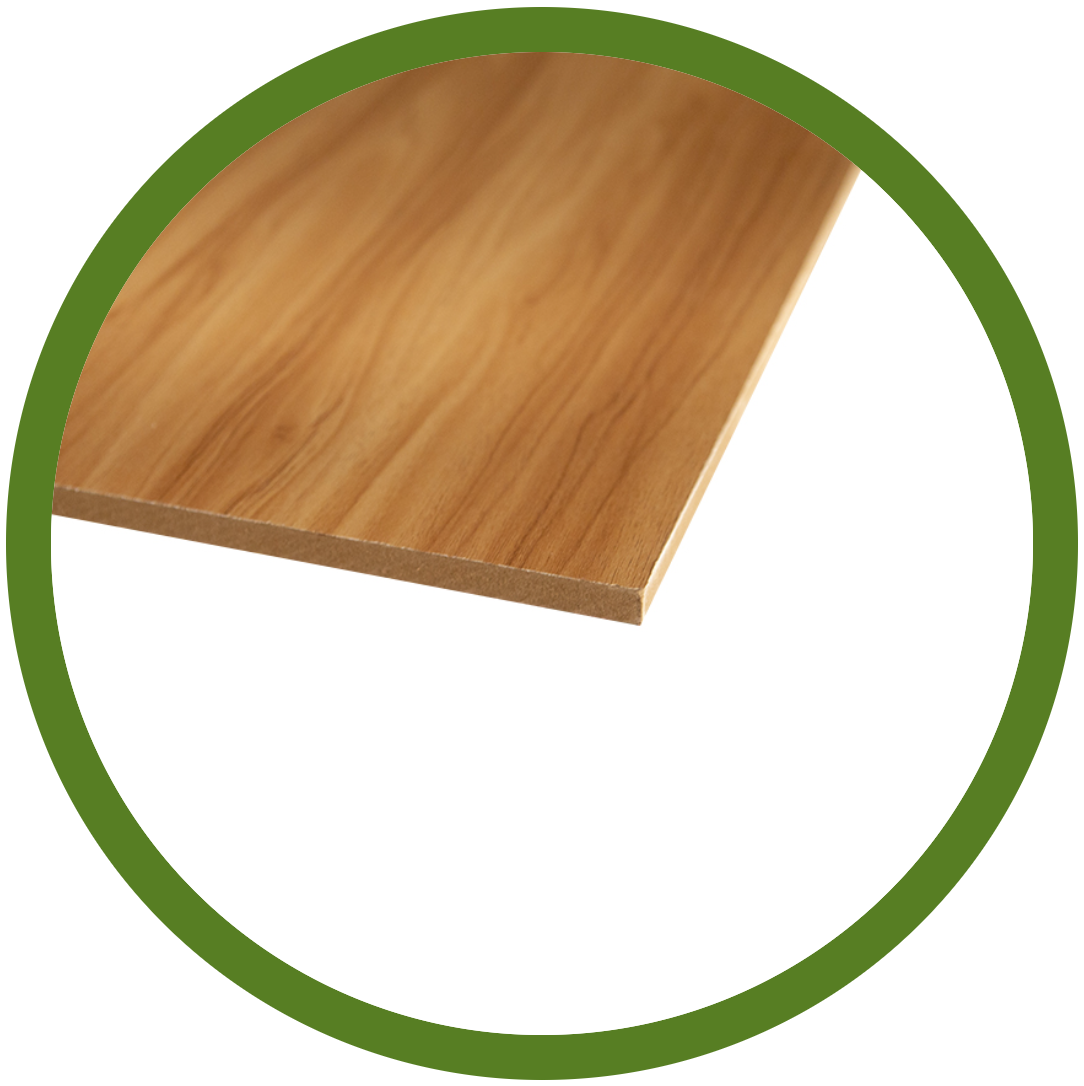
Melamine Faced Plywood
- High strength: It has a high heat distortion temperature and strength, and can be used in situations with high strength requirements.
- Corrosion resistance: It has excellent corrosion resistance and can operate stably in corrosive environments. It is widely used in chemical, medical, food and other industries.
- High temperature resistance: Triamine board has good stability and strength in high temperature environment, and can be used in occasions with high temperature, high pressure and high strength requirements.
Different Types of Plywood
Plywood is a three-layer or multi-layer board material made of wood segments peeled into veneers or wood planed into thin wood and then glued with adhesive. Typically, it consists of an odd number of veneer layers, with each adjacent layer glued perpendicular to the others. It has a wide range of applications, mainly in aircraft, furnitures, trains, cars, buildings, and packaging boxes.
Birch plywood has several benefits, including a smooth surface, high strength, resistance to cracking, wetness, and earthquakes. A variety of industries, including furniture, construction, packaging, decoration, and transportation, extensively use it.
Melamine plywood board exhibits excellent corrosion resistance, particularly in high-temperature environments; it possesses outstanding stability and strength, making it suitable for use in high-temperature, high-pressure, and high-strength situations. It is widely used in the fields of chemistry, medicine, food, etc.
Poplar plywood is very suitable for indoor light furniture, packaging boxes, and building partitions due to its light weight, simple cutting, and price advantage. At the same time, poplar plywood has excellent insulation and electrical resistance, which helps circuit safety. It is also highly resistant to compression and impact, not simple to deform during use, and durable.
Pine plywood adopts a multi-layer pressing process, which makes this type of building formwork have high strength and torsion resistance. Main applications for pine plywood include building formwork, shipbuilding plates, sports equipment, the automotive industry, and furniture production, among others.
FAQs For Plywood
Yes, plywood needs to be waterproofed if it is used in areas exposed to moisture, humidity, or direct water contact. Waterproofing extends the plywood’s lifespan and prevents issues like warping, delamination, or fungal growth. Techniques include using sealants, waterproof paints, or coatings like epoxy resin.
For outdoor use, marine plywood is often considered the best choice due to its superior resistance to water and durability. Other good options include exterior-grade plywood, which is treated to withstand outdoor conditions, and pressure-treated plywood, which is chemically treated to resist decay and insects.
Marine Plywood:
- Specifically designed for water resistance.
- Made with high-quality veneers and waterproof glue.
- Free of voids to prevent water penetration and ensure strength.
- Used in boats, docks, and outdoor furniture.
Structural Plywood:
- Primarily designed for load-bearing applications.
- May not be fully waterproof, depending on the grade.
- Strength and durability are prioritized over appearance.
- Used in construction for flooring, walls, and roofing.
Yes, 12mm plywood can be used for roofing in lightweight applications, such as sheds or garages. However, for residential or commercial roofing, 18mm or thicker plywood is typically recommended to handle heavier loads like snow or roofing materials.
The plywood thickness for walls depends on the application:
- Interior Walls: 6mm to 12mm is sufficient for decorative or non-load-bearing walls.
- Exterior Walls: 18mm or thicker is recommended for structural support and insulation.
For wardrobes, 12mm to 18mm plywood is commonly used:
- 12mm: Suitable for back panels or lightweight shelves.
- 18mm: Ideal for doors, sides, and structural parts to ensure durability.
Plywood is preferred over solid wood for several reasons:
- Cost-Effectiveness: It is generally cheaper than solid wood.
- Stability: Less prone to warping, shrinking, or swelling due to its cross-layered structure.
- Availability in Large Sizes: Ideal for larger projects without joints.
- Strength: High tensile strength and uniform properties.
- Versatility: Suitable for diverse applications.
Oriented Strand Board (OSB) and plywood have comparable strengths but differ in performance:
OSB Advantages:
- Higher shear strength.
- More uniform composition.
- Cheaper than plywood.
Plywood Advantages:
- Superior moisture resistance.
- Less prone to swelling.
- Better screw-holding capacity.